
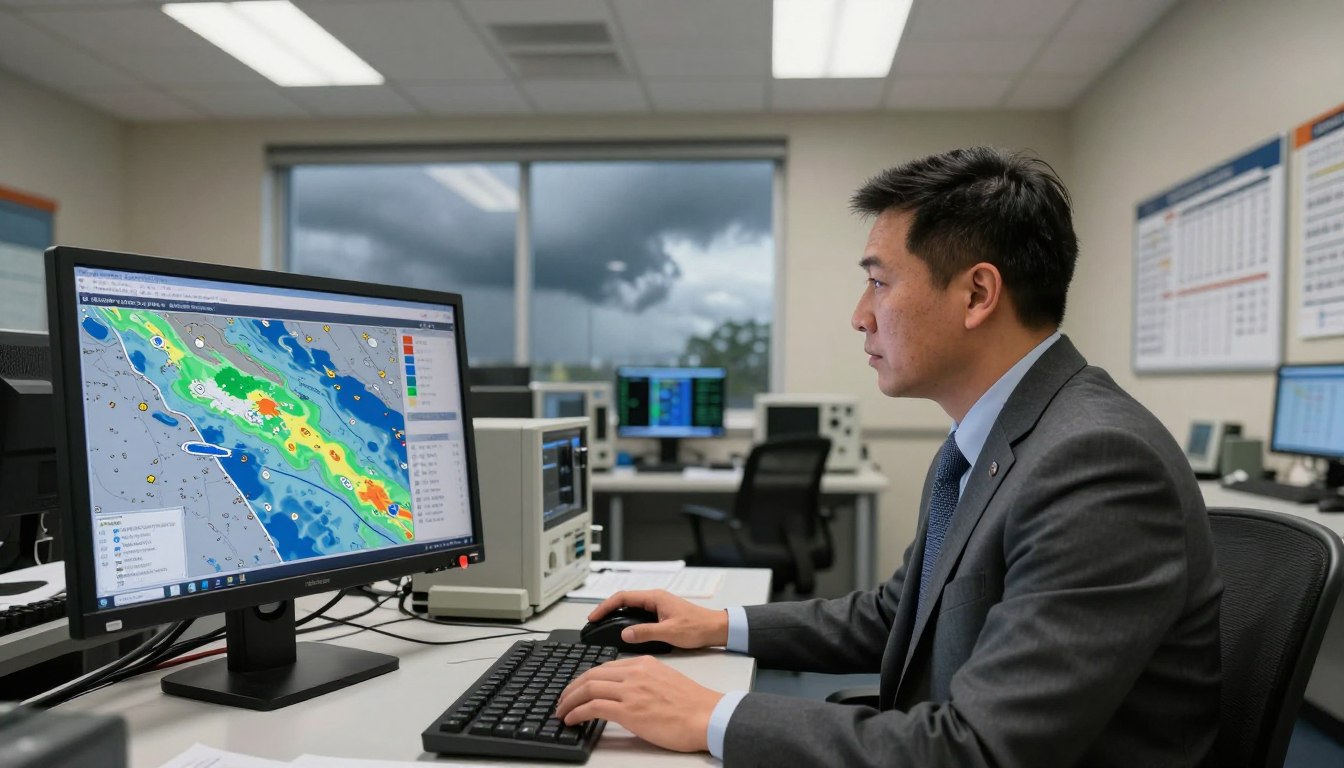
Flood Watch: Protecting Your Home and Family

“By failing to prepare, you are preparing to fail.” — Benjamin Franklin. This quote sets a clear test: you must act now to reduce risk to your life and property.
A flood watch means conditions are favorable for flooding; it does not guarantee it will happen, but it signals a real possibility. You get clear, practical information so you know what to do next.
This short guide helps you move from awareness to preparation without guesswork. You will learn how national weather updates and local notices work together so you can spot urgency at a glance.
Acting early reduces risk. The focus here is readiness: supplies, alerts, evacuation routes, and simple home steps to protect your family before flooding begins.
Key Takeaways
- You’ll get a practical overview of what a flood watch means right now.
- Follow step-by-step guidance to prepare your home and family.
- Learn how national weather alerts and local instructions fit together.
- Focus on readiness: supplies, routes, and simple home mitigation.
- Understand that risks can change fast; rely on trusted updates.
What a Flood Watch Means Right Now and How It Differs From Other Alerts
Know which alerts demand preparation now and which call for immediate action so you can respond with confidence.
Be prepared: conditions favorable
A watch means conditions are favorable and you should use the time to prepare supplies, review routes, and set alerts.
Be aware: advisory
A flood advisory warns of nuisance flooding that can disrupt travel and daily life. Take care near low-lying areas and avoid unnecessary trips.
Take action: warnings and flash warnings
When a flood warning is issued, flooding is imminent or occurring and you must protect life and property immediately.
A flash flood warning signals sudden, fast-moving water. Move to high ground right away.
“Clear guidance paired with impact details helps you decide fast when conditions change.”
| Alert | Meaning | What you should do |
|---|---|---|
| Watch | Conditions favorable for flooding | Prepare supplies; set alerts; review routes |
| Advisory | Nuisance flooding may occur | Use caution; avoid flooded roads; expect delays |
| Warning | Flooding imminent or occurring | Take action now; move to safety; follow local orders |
| Flash Flood Warning | Sudden flooding imminent or occurring | Move to high ground immediately; do not drive |
Where to Get Reliable Information in the United States

Get reliable, location-specific information so you know what to do when conditions change near you.
National Weather Service forecasts and local Weather Forecast Office updates
Use the National Weather Service local pages to get forecasts tied to your exact location. Click a location on your office page to see timing, rainfall amounts, and text products from the Text Product Selector.
Local Weather Forecast Office updates give you context for hazards in your forecast area and note when a warning issued notification replaces earlier guidance.
Weather radio and trusted media alerts
Set up NOAA weather radio and subscribe to trusted media alerts so you get real-time updates when phone networks or internet slow down. These sources help when a warning issued message arrives fast.
Local government service information
City websites and guided concierge or 311 portals provide closures, shelter locations, and assistance details so you avoid calling emergency lines for non-emergency needs.
| Source | What it gives | When to use |
|---|---|---|
| National Weather Service | Location forecasts, text products | Track conditions in your area |
| Weather radio & media | Real-time warning issued alerts | Backup during outages |
| City services / 311 | Closures, assistance, reporting | Local logistics and non-emergency help |
Flood watch Home and Family Protection Plan

Begin with a quick risk map: mark low-lying ground, nearby creeks, and routes that trap water in your area. This gives you a clear picture of where hazards form and when to choose higher ground.
Check your forecast area and pinpoint risk
Use local forecasts to confirm which parts of your neighborhood are at risk. Note basements, streets that pool, and bridges that close.
Prepare your home to reduce damage
Move valuables higher, clear gutters if safe, and park vehicles on higher ground. If flooding looks likely, plan to shut off power at the main breaker to protect critical outlets.
Build a go-bag that preserves life and data
Include prescriptions, IDs, cash, chargers, and copies of insurance. Add essential data backups: cloud copies and a small encrypted drive stored in a waterproof bag.
Set up layered alerting
Enable Wireless Emergency Alerts, subscribe to your local NWS notifications, and use a weather radio or trusted media apps so you won’t miss an advisory or a flood warning issued overnight.
Plan evacuation routes to high ground
Choose a primary and backup route and a family meeting spot. Decide in advance to leave early rather than wait when warnings say flooding is imminent.
What to do if a flash flood warning occurs
If a flash flood warning is issued and you are at home, move to higher floors. At work, follow building evacuation plans. Driving? Never cross water-covered roads; turn around and reroute.
After waters recede: immediate safety checks
Check for downed lines, gas smells, and structural damage. Document losses with photos before cleanup when it is safe. Report hazards through local non-emergency channels so responders can act.
Conclusion
, Use this final checklist to turn early signs into practical steps that protect your family and home.
A watch is your preparation window; escalating warnings mean you must move from planning to immediate action when conditions change.
Rely on reliable sources — the National Weather Service, local forecast offices, and city service alerts — for timely information so you can decide fast.
Protect life and property by planning routes, avoiding water, keeping alerts on, and moving to high ground if a flood warning or flash flood notice arrives.
Keep your go-bag, contacts, and risk map current. Monitor forecasts and treat warnings seriously so you act quickly when flooding is imminent or occurring.
FAQ
What does a flood watch mean and how should you respond?
A flood watch means conditions are favorable for flooding in your area. You should review your emergency plan, check local forecasts from the National Weather Service, and prepare to move to higher ground if conditions worsen. Secure valuables, unplug electronics, and assemble a go-bag with medications, documents, and essential data backups so you can act quickly if an advisory or warning is issued.
How is a flood advisory different from a warning or flash flood warning?
A flood advisory alerts you that flooding may cause nuisance impacts or localized disruptions to life and property, but it’s typically less severe than a warning. A flood warning is issued when flooding is imminent or already occurring and requires immediate protection of life and property. A flash flood warning signals rapidly rising water and demands fast action because conditions can change in minutes.
Where can you get reliable, real-time information about alerts in the United States?
Trust the National Weather Service and your local Weather Forecast Office for authoritative forecasts and impact-based warning formats. Use NOAA Weather Radio, official local government sites, and trusted media outlets for real-time notifications. Many communities also provide emergency notification services and social media updates—sign up for those to receive timely alerts.
What should you include in a home protection plan for flood-prone areas?
Identify low-lying parts of your property and move important items to higher ground. Install check valves where possible, clear drains, and elevate utilities if you expect recurring issues. Keep sandbags or barriers handy, document your property with photos, and maintain a list of emergency contacts. Regularly review forecasts and be ready to execute your plan when watches or warnings are issued.
How do you prepare a go-bag that covers life-saving needs and essential records?
Your go-bag should include prescription medications, basic first-aid supplies, copies of IDs and insurance documents (paper or digital), portable chargers, water, and nonperishable snacks. Add a waterproof container for vital data backups and a battery-powered weather radio. Keep the bag accessible and update it seasonally.
How can you set up alerting so you don’t miss a notice from the weather service or local officials?
Enable wireless emergency alerts on your mobile device, sign up for local government emergency notifications, follow the National Weather Service office for your county on social media, and keep a NOAA Weather Radio programmed for your area. That multi-channel approach reduces the chance you’ll miss an advisory, a warning issued for sudden events, or evacuation orders.
What should you do if a flash flood warning is issued while you’re driving?
Immediately avoid low-lying roads, bridges, and underpasses. Do not drive through standing or flowing water—six inches can stall a car, and one foot can sweep a vehicle away. If water surrounds your vehicle, abandon it and move to higher ground when you can do so safely. Always choose alternate routes that lead to elevated, safer areas.
What actions matter most when a warning is issued at home or work?
Move people and pets to higher floors or a designated safe room, unplug electrical appliances if water is rising, and bring emergency supplies with you. Follow local evacuation orders without delay. Keep your phone charged and stay tuned to official forecasts and instructions from emergency management and media channels.
How do you plan evacuation routes to high ground before flooding becomes imminent?
Pre-identify multiple routes from your neighborhood to known high ground and practice them with your household. Note roadways that commonly flood and avoid them during heavy rain. Share your plan with family and agree on a meeting place and communication method if you get separated.
What immediate safety checks should you perform after waters recede?
Return home only when authorities say it is safe. Watch for downed power lines and structural damage. Avoid standing water, which may be contaminated. Document damage for insurance, photograph affected areas, and contact your insurance provider. If your home experienced water in living areas, dry and disinfect promptly to reduce mold and protect health.
Why do impact-based warnings and clear actions matter during fast-changing weather conditions?
Impact-based warnings tell you what hazards to expect and the level of risk to life and property, helping you decide on specific actions. Clear, actionable messages reduce confusion during rapidly evolving situations and improve your ability to respond quickly to protect people and essential data.
